


Pollinators
Protecting Georgia's Pollinators
Pollinators play an important role in Georgia's agriculture, environment, and communities. Learn how pollinators, farmers, beekeepers, homeowners, and the Georgia Department of Agriculture work together to support healthy pollinator populations across our state.
Report a ConcernAbout this Program
Georgia's Pollinators
Pollinators are all around us. From the honeybees working Georgia's agricultural fields to native bees visiting flowers in our backyards, pollinators are an important part of Georgia's natural and agricultural landscapes.
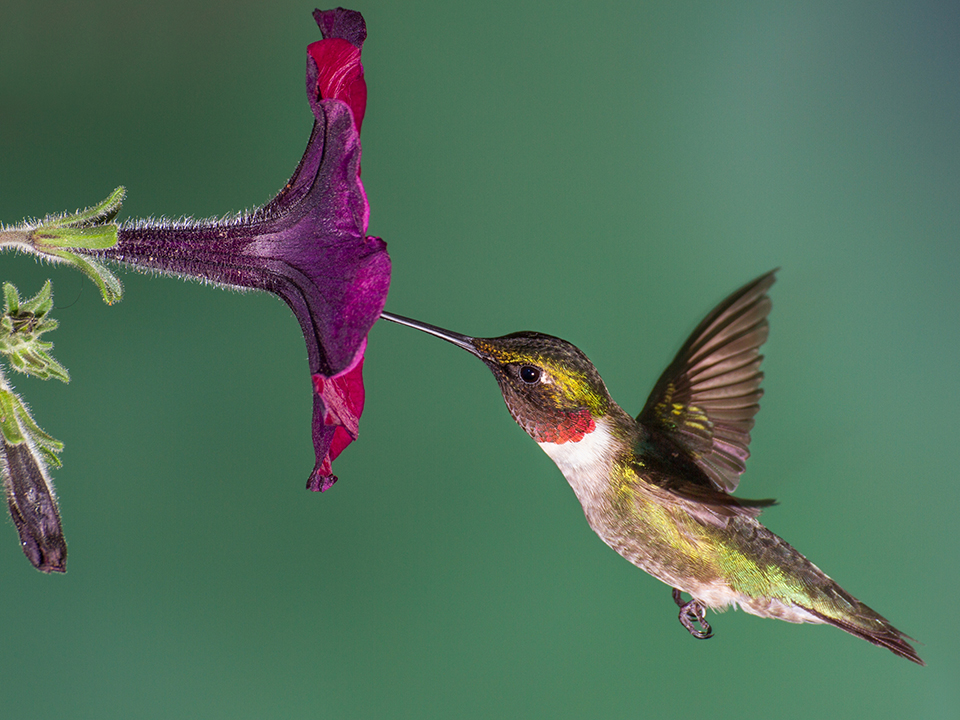
Pollinators include bees, butterflies, moths, beetles, flies, hummingbirds, and other animals that move pollen from flower to flower. This simple process helps plants reproduce and supports many of the crops, flowers, trees, and ecosystems we depend on.
Whether you are new to agriculture, curious about pollinators, or simply interested in where your food comes from, understanding how these pieces connect is important. Farmers grow the crops that feed our communities, while pollinators help many of those crops produce fruits, vegetables, seeds, and other foods. Beekeepers help maintain healthy honeybee colonies and may provide colonies for agricultural pollination where needed.
Agriculture and pollinator health do not have to work against each other. Farmers, beekeepers, homeowners, and communities all have a role to play. Communication, responsible pest management, healthy habitat, and good stewardship can help protect pollinators while allowing farmers to grow the food we depend on. When we understand how these systems work together, we can all be better stewards of Georgia’s agricultural future and help keep food on the table.
Agriculture
Healthy Pollinators Support Healthy Agriculture
Georgia agriculture and pollinators are closely connected.
Farmers depend on pollination for many crops, while agricultural landscapes can provide valuable food and habitat for pollinators. Protecting pollinators isn't about choosing between agriculture and the environment, it is about finding ways for both to thrive.
What We Do
GDA's Role: Working Together to Protect Pollinators
Protecting pollinators takes more than one person, organization, or agency.
The Georgia Department of Agriculture (GDA) works with farmers, pesticide applicators, beekeepers, landowners, researchers, educators, and communities to promote pollinator health and responsible agricultural practices.
Georgia Department of Agriculture supports pollinator protection through pesticide regulation and compliance, apiary services, education and outreach, and response to reports involving suspected pesticide exposure.
Pesticide Regulation
GDA regulates pesticide distribution, use, licensing, and compliance in Georgia and investigates complaints involving possible pesticide misuse or label violations.
Apiary Services
GDA provides apiary-related regulatory services, inspections, and information supporting honey bee health and Georgia beekeepers.
Education & Outreach
GDA works with pesticide applicators, farmers, beekeepers, industry, universities, federal partners, and the public to promote responsible stewardship and practical pollinator protection.
Incident Response
GDA receives and evaluates reports involving suspected pesticide exposure to bees or other pollinators and determines whether pesticide laws or label requirements may have been violated.
Get Involved
Everyone has a role in pollinator protection.
-
I'm a Homeowner
Learn how to create a pollinator-friendly yard and make responsible choices when managing pests.
You don't have to be a farmer or beekeeper to help Georgia's pollinators.
Plant flowering plants. Provide habitat. Reduce unnecessary pesticide use. Learn to recognize pollinators. Share information with your neighbors. Support healthy agricultural landscapes.
A homeowner can create a welcoming space for pollinators by growing a variety of flowering plants, herbs, and vegetables. Choose plants that bloom at different times of the year to provide bees, butterflies, and other beneficial insects with a steady source of nectar and pollen. Native plants are especially helpful because they adapt to the local environment and support native pollinators.
Avoid unnecessary pesticide use and always read and follow the pesticide label when treatment is needed. Provide shallow water sources, shelter, and areas of undisturbed soil for nesting. With a few thoughtful choices, a backyard garden can become a healthy habitat that supports pollinators while also providing fresh flowers, herbs, and vegetables for the homeowner to enjoy.
How to Build a Pollinator Garden | U.S. Fish & Wildlife Service
Honeybee Control and Removal | Georgia Department of Agriculture
-
I'm a Farmer
Learn about pollinator protection, pesticide practices, and working with beekeepers.
Protecting Pollinators Starts With Responsible Practices
Pesticides are important tools for agriculture, public health, and pest management. When they are needed, using them correctly and according to the label helps reduce unnecessary risks to people, animals, pollinators, and the environment.
Farmers and pollinators play an important role in Georgia’s agricultural landscape. Many crops depend on pollinators to produce fruits, seeds, and higher-quality yields. At the same time, healthy agricultural operations depend on effective pest management and protecting crops from damaging pests.
Farmers can support pollinators by communicating with nearby beekeepers, identifying sensitive areas, and using integrated pest management practices when possible.
Learn about pesticide use, pollinator protection practices, and resources for applicators, farmers, beekeepers, and the public.
Tools and Strategies for Pollinator Protection | US EPA
-
I'm a Pesticide Applicator
Find pollinator-related label requirements, stewardship practices, communication tools, and incident-response information.
Pesticide Applicators: Protect Pollinators Through Label Compliance and Stewardship
Pesticide applicators play an important role in protecting crops, public health, property, and natural resources. Pollinator protection begins with reading and following all label directions, including any pollinator-specific restrictions, application timing requirements, buffer or drift-reduction language, and other use limitations.
Applicators can further reduce unintended exposure by identifying nearby sensitive areas, communicating with farmers and beekeepers when appropriate, checking DriftWatch/HiveCheck or other available communication tools, and using integrated pest management and exposure-reduction practices when feasible.
Georgia Pesticide Use and Application Act of 1976
Protecting Bees and Other Pollinators from Pesticides | US EPA
Agricultural Pest Control Contact Form | Georgia Department of Agriculture
-
I'm a Beekeeper
Find information and resources to help protect your colonies and communicate with neighboring agricultural operations.
Beekeepers play an important role in supporting healthy honey bee colonies and Georgia agriculture. Whether you manage a few hives as a hobby or operate a commercial apiary, good hive management helps maintain strong colonies and healthy pollinators.
Working with farmers, landowners, and pesticide applicators is an important part of beekeeping. Sharing hive locations and communicating about planned pesticide applications can help reduce the risk of unintended exposure. Beekeepers can also support colony health by monitoring for pests and diseases, providing adequate food and water, and maintaining strong colonies throughout the year.
Healthy bees benefit everyone. When beekeepers and agricultural partners communicate and work together, we can protect pollinators while supporting Georgia’s farms and the food they produce.
Whether you are a new beekeeper or have managed colonies for years, reliable resources can help you make informed decisions and keep your colonies healthy. The UGA Bee Program provides education and research-based information for Georgia beekeepers. The Hive Check through the DriftWatch Program can help with hive location and communication. The Georgia Beekeepers Association is a great way to connect with other beekeepers and find local resources. GDA’s Apiary Program provides information on Georgia’s apiary requirements, inspections, and protecting bee health. Use these resources to stay informed, monitor your colonies, and build strong working relationships with farmers and others who share an interest in protecting pollinators.
Apiary Program (Honeybees) | Georgia Department of Agriculture
-
I'm Interested in Pollinators
Explore Georgia pollinators, habitats, plants, educational resources, and ways to get involved.
Georgia is home to a wide variety of pollinators, including bees, butterflies, moths, beetles, flies, hummingbirds, and other pollinating wildlife. From the mountains of North Georgia to the Coastal Plain and wetlands of South Georgia, our state's diverse landscapes provide important habitat and food sources for pollinators.
Pollinator needs can vary across Georgia because of differences in climate, soils, plants, and growing seasons. Choosing plants that are well suited to your region can help provide reliable sources of nectar, pollen, and shelter throughout the year. Explore the regional guides below to learn more about the ecological differences between North and South Georgia and how you can support pollinators in your area.
Pollinator Planting Guide: Outer Coastal Plain
Reporting
Have a Bee Incident?
If you suspect that bees or other pollinators may have been exposed to a pesticide, GDA can help you determine how to report the incident and what information/resources may be useful with the situation.
Learn what information to collect, when to submit a report, and what to expect after a pesticide-related pollinator concern is submitted.
What Happens After You Report
- Report submitted and initial information reviewed by GDA.
- Program staff or an inspector may contact the reporter for additional information.
- The incident is evaluated and, when appropriate, evidence or samples may be collected.
- Relevant pesticide labels, application records, site conditions, and other information may be reviewed.
- GDA determines whether the available evidence indicates a violation of pesticide law or label requirements.
Submitting a report does not by itself establish that pesticide misuse occurred. Likewise, pesticide detection alone does not necessarily establish causation or a violation. GDA evaluates the available evidence and applicable requirements.
Not sure if this is a pesticide incident? Click here.
Let's Keep Georgia Growing
Healthy pollinators support healthy plants, healthy agriculture, and healthy ecosystems. By working together, Georgians can help protect the pollinators that make our state unique.
Resources
Contact Us
-
Pesticide Program