


ATLANTA, GA – Today, Georgia Agriculture Commissioner Tyler J Harper announced the first confirmed detection of pasture mealybug (Heliococcus summervillei) in Georgia. The detection was confirmed by the U.S. Department of Agriculture (USDA) on August 5, 2026, in Decatur County, Georgia. Pasture mealybug is an invasive insect that primarily affects annual and perennial warm-season grasses and poses a significant threat to Georgia agriculture because it can spread quickly and cause significant damage.
“Pasture mealybug is a serious threat to Georgia agriculture, and we’re asking Georgia farmers and producers to stay vigilant in order to protect their operations,” said Commissioner Tyler J Harper. “This pest can spread quickly and kill grass, potentially causing significant losses for our farmers and making biosecurity more important than ever. I encourage everyone to walk their pastures and hayfields often to check for the pest. If you suspect you have the pasture mealybug, please contact your local County Extension Agent immediately.”
On July 27, 2026, the Georgia Department of Agriculture’s Plant Protection Division (PPD) was notified by its University of Georgia entomology partners of a potential detection of pasture mealybug in Georgia at a turf grass business in Decatur County. Upon notification, PPD immediately submitted samples to its partners at the USDA's Systematic Entomology Laboratory for further testing and confirmation. On August 5, 2026, USDA confirmed the presence of pasture mealybug in Georgia.
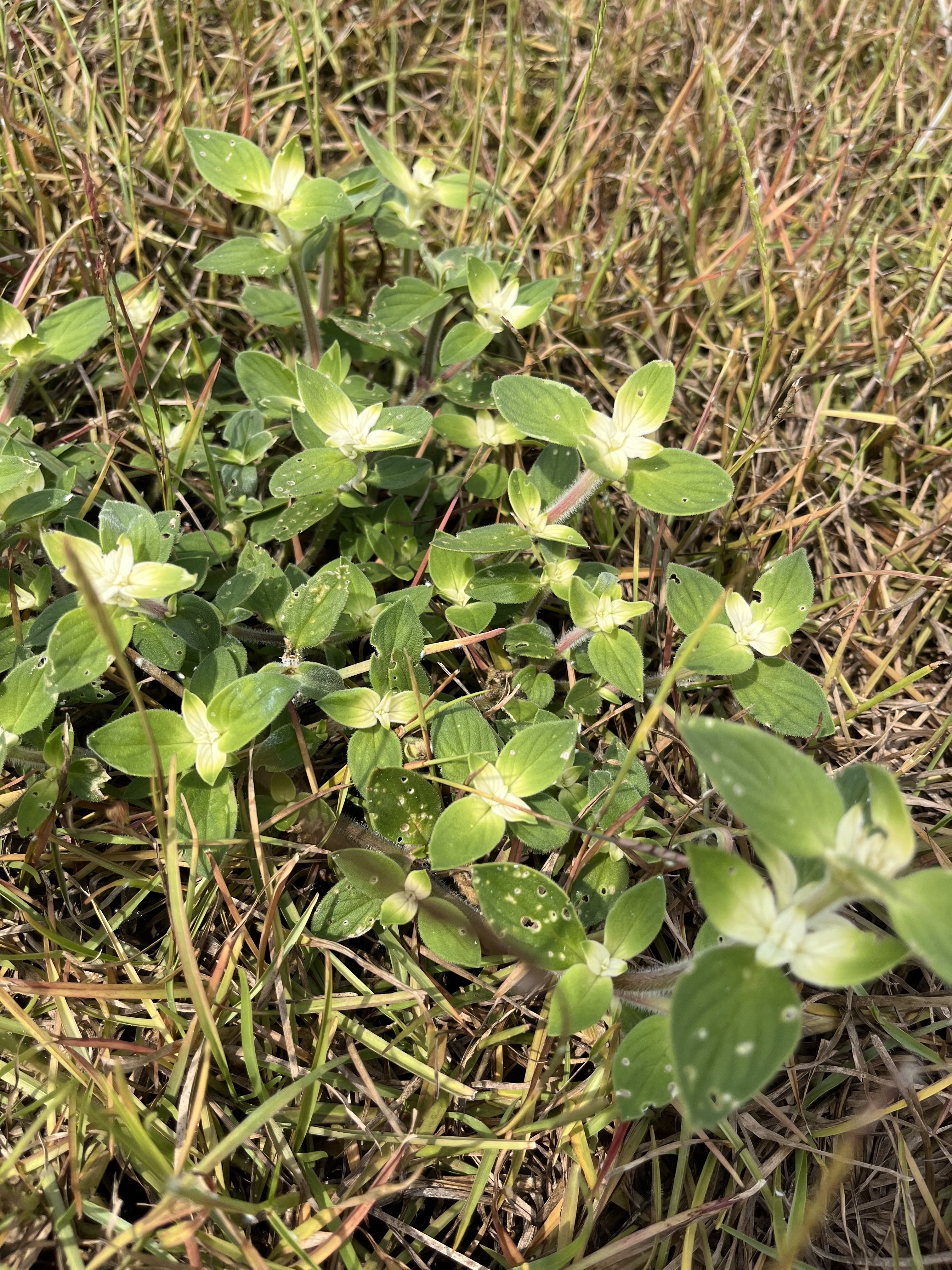
Photos courtesy of the Georgia Department of Agriculture.
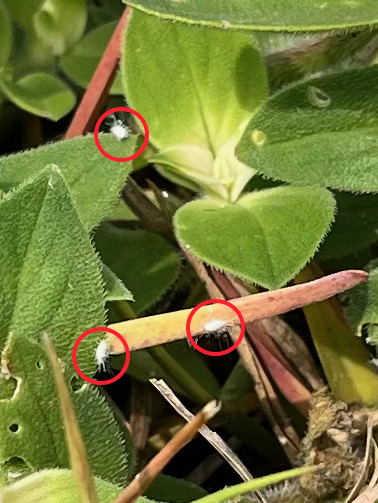
Photos courtesy of the Georgia Department of Agriculture.
Signs of Pasture Mealybug
Pasture mealybug damages grass by feeding on plant sap and injecting toxic saliva into the plant. Symptoms can appear within a week of infestation and may include yellowing leaves that progress to purple or red discoloration; stunted growth and drought-like stress even after rainfall; poorly developed roots; dieback beginning at the tips of older leaves; and premature senescence and plant death.
Biosecurity Measures
Because pasture mealybug can spread through equipment, clothing, vehicles, and other materials, preventing its movement between fields and farms is critical. Farmers are encouraged to follow these biosecurity practices:
- Clean farm and hay equipment between fields or farms, as appropriate for your operation.
- Avoid driving through pastures whenever possible.
- Change clothing and footwear between fields or farms.
- Keep grazing records and avoid moving livestock into or through affected pastures.
- Limit wildlife movement through pastures when possible.
- Limit vehicle traffic on and off the farm.
Contact
If you suspect pasture mealybug on your property, contact your local County Extension Agent for assistance with identification and confirmation. Farmers are also encouraged to complete the Suspected Cases of Pasture Mealybug (PMB) Survey to help the University of Georgia identify, monitor, and track potential cases across the state.
The University of Georgia has created an map to help track confirmed pasture mealybug detections across the state. The map will be updated as new cases are identified and confirmed, providing the public with the latest information on the pest’s presence in Georgia.
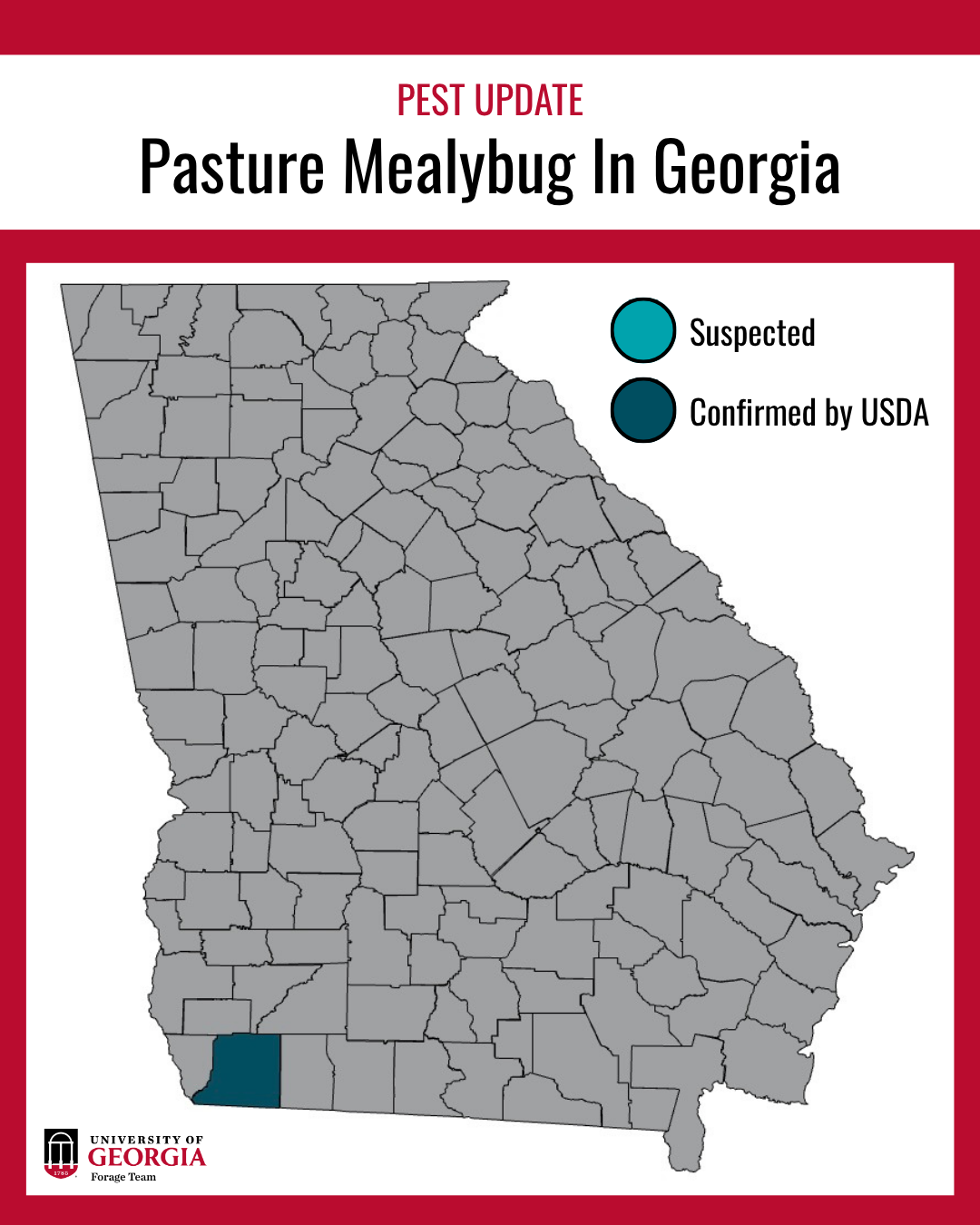
To learn more, visit GDA pasture mealybug and UGA Georgia Forages.
###