

If you suspect an animal may have New World Screwworm, please call the Office of the State Veterinarian at 404-656-3667 or email AnimalHealth@agr.georgia.gov.
Animal owners should immediately consult their veterinarian regarding any health concerns.
New World Screwworm does not pose a risk to the food supply, and no affected animals have entered the food supply chain. At this time, the detection of New World Screwworm in an agricultural setting in Texas does not represent an increased risk for Georgia citizens who do not have risk factors specific to New World Screwworm, such as travel to impacted areas. Details on risk factors and what to look for in humans can be found at https://www.cdc.gov/new-world-screwworm/situation-summary/index.html or screwworm.gov.
Moving Animals from an Affected Area to Georgia?
Animals Coming From an Infested Zone
- Check if you are in an infested zone in Texas (map)or New Mexico (map)
- Follow NWS National Movement Guidance: bit.ly/NWS-movement
- Obtain a Georgia entry permit
- Request permit at least 48 hours before entering Georgia
Animals Coming From Outside an Infested Zone in a Listed State or County
- State:
- Texas
- New Mexico
- Obtain a Certificate of Veterinary Inspection (CVI)
- Animals must be inspected and found free of New World Screwworm; record this statement on the CVI.
- CVI must be issued within 7 days of travel
What is New World Screwworm?
|
|
|---|
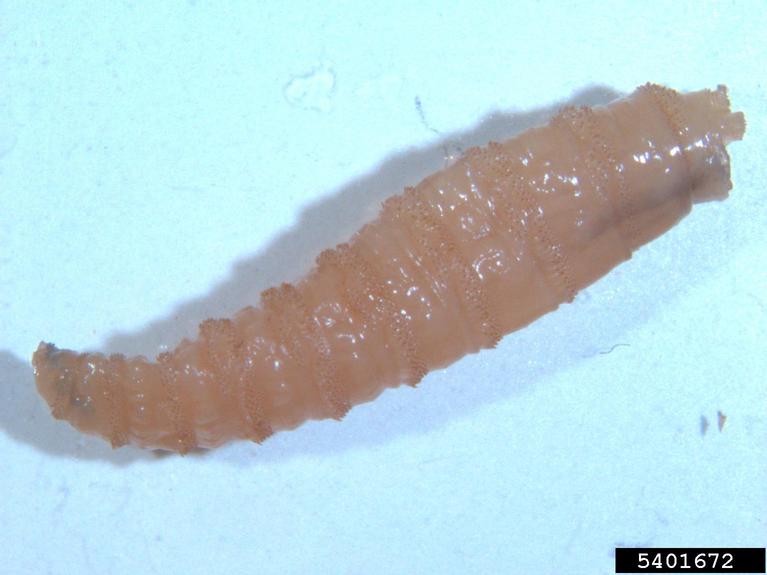
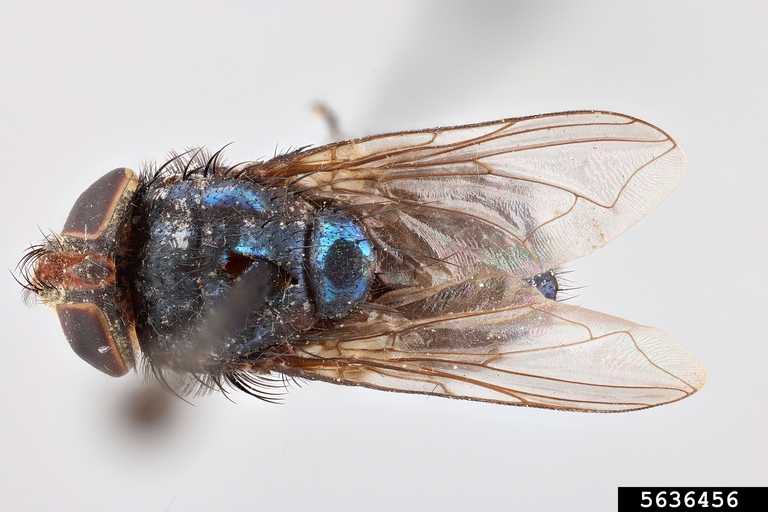
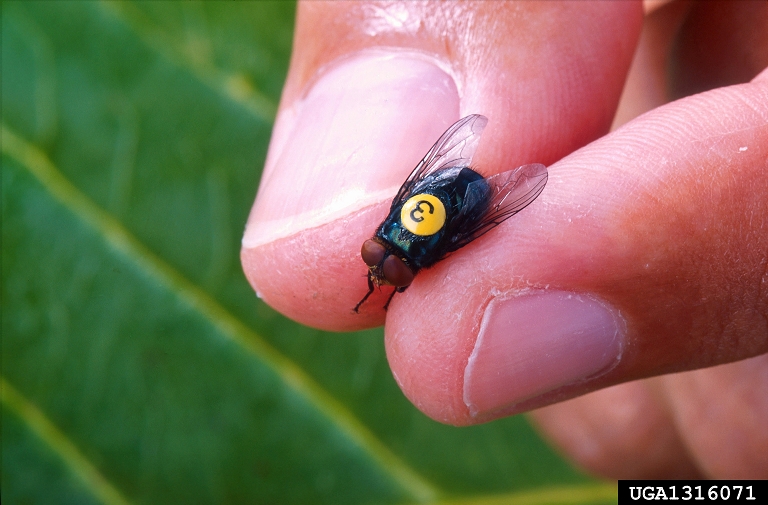
New World Screwworms are fly larvae that infest the living tissue of warm-blooded animals, causing a condition known as myiasis. Myiasis is a parasitic infestation in which fly larvae grow inside the living host, and the resulting wound can cause serious and often deadly damage.
USDA updates the current status of New World Screwworm in the United States on the APHIS website.
What Animal Owners Should Do:
Prevention:
Follow USDA’s guidelines on how to best prevent infestation at screwworm.gov
Monitor Animals:
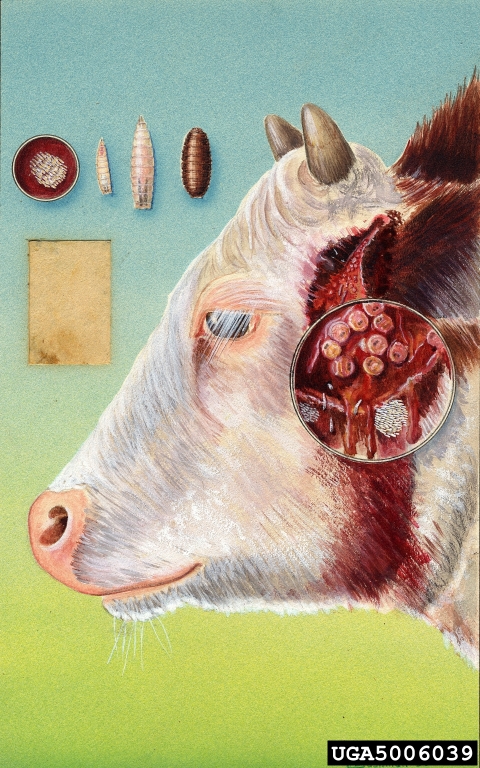
Monitor your animals for signs of New World Screwworm including checking for evidence of infestation in the form of flies, larvae (maggots), or eggs. Regularly inspect your animals, and look at openings such as the nose, ears, umbilicus, or genitalia for open wounds and potential signs of maggot infestation.
Signs of New World Screwworm infestation include:
- Foul-smelling wounds with visible maggots
- Lesions in navels, ears, dehorning or branding sites
- Biting or licking at wounds
- Strange behaviors:
- Head shaking
- Discomfort and irritation
- Isolation from other animals or people
Report Disease: Promptly report any observation of domestic animals or wildlife with the signs described above.
Domestic Animals: Call the Office of the State Veterinarian at 404-656-3667 or email AnimalHealth@agr.georgia.gov.
Wildlife: Report cases in wildlife to DNR. Call a local DNR office for guidance.
Human Concerns: Call 866-PUB-HLTH (866-782-4584) for guidance.