

Recalls
On this page you’ll find recent recall alerts for food and feed products distributed or produced in Georgia. These alerts include the reason for the recall, a description of the issue, and a complete listing of affected products with identifying information.
Learn more about recallsConsumer Advisory: E. coli O26:H11 Outbreak Linked to Raw Milk Cheese (09/25/2026)
Affected Product
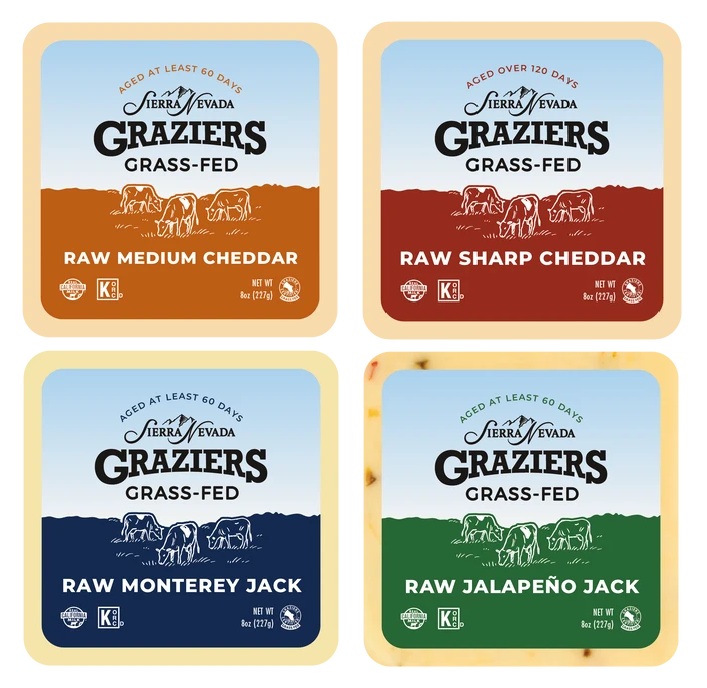
Recalled Sierra Nevada Graziers grass-fed raw milk cheeses: medium cheddar, sharp cheddar, jalapeno jack, and Monterey jack sold at retail in 8-oz or 16-oz packages and available to food service customers or wholesalers in 5-lb loaves. These products were sold at retailers nationwide and online.
The FDA and CDC, in collaboration with state and local partners, are investigating a multistate outbreak of E. coli O26:H11 infections linked to Sierra Nevada Graziers grass-fed raw milk cheese. FDA’s investigation is ongoing.
State and local public health officials are interviewing ill people or their caregivers about the foods they ate in the week before they got sick. Of the 9 people interviewed, all 9 (100%) in this outbreak reported consuming Sierra Nevada Graziers grass-fed raw milk cheese.
On September 24, 2026, FDA contacted the firm to notify them about this outbreak and recommend they conduct a recall. Sierra Nevada Cheese Company, LCC is working with the FDA and that same day agreed to and initiated a recall of all Graziers Raw Milk Cheeses. Consumers, restaurants, and retailers should not eat, sell, or serve recalled cheeses. Consumers who purchased recalled cheese may return it to the place of purchase for a refund.
FDA’s investigation is ongoing to determine the source of contamination and if there are any other products potentially affected. This advisory will be updated once additional information becomes available.
View the FDA Outbreak Investigation for ongoing details.
Recommendations
- Do not eat, serve, or sell recalled Sierra Nevada Graziers grass-fed raw milk cheeses (medium cheddar, sharp cheddar, jalapeno jack, or Monterey jack varieties). Consumers who purchased recalled cheese may return it to the place of purchase for a refund.
- This product has a long shelf life. Check your refrigerators and freezers for the recalled raw milk cheeses and throw them away. If you refrigerated or froze cheese without the original packaging and can’t tell if it’s part of the recall, throw it away.
- Consumers, restaurants, retailers, and foodservice customers who purchased or received recalled raw milk cheese, including wholesale products, should carefully clean and sanitize any surfaces or containers that it touched. Follow FDA’s safe handling and cleaning advice to reduce the risk of cross-contamination.
- Retailers that received recalled product and repackaged it for individual sale should not sell it and remove the product from the market.
- Consult your health care provider immediately if you ate recalled this brand of cheese and have any symptoms of an E. coli infection.
Tips
- Choose pasteurized milk and dairy products. This is especially important for children under 5 because they are more likely to get a severe foodborne illness. Learn more about safer food choices for people at higher risk of severe foodborne illness.
Symptoms of E. coli
- Most people infected with Shiga toxin-producing E. coli experience severe stomach cramps, diarrhea (often bloody), and vomiting.
- Some people may develop serious kidney problems (hemolytic uremic syndrome, also called HUS) and may need to be hospitalized.